Greenland 2: Migration Review – Is Gerard Butler’s Survival Sequel Worth the Hype in 2026?
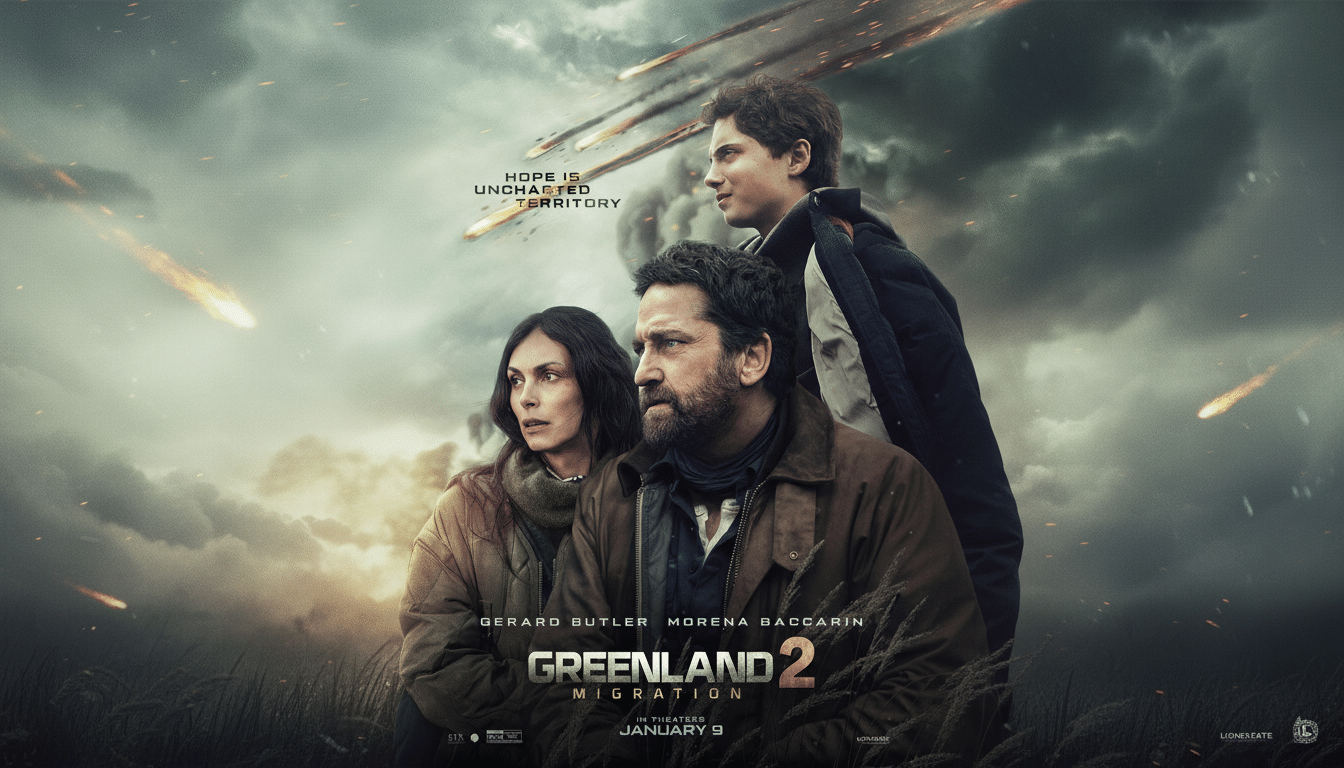
Released today, January 9, 2026, Greenland 2: Migration hits theaters as the long-awaited sequel to the 2020 apocalyptic thriller Greenland. Directed once again by Ric Roman Waugh and starring Gerard Butler reprising his role as structural engineer John Garrity, the film picks up years after the devastating Clarke comet impact. Alongside Butler, Morena Baccarin returns as his wife Allison, with Roman Griffin Davis stepping in as their now-teenage son Nathan (replacing Roger Dale Floyd from the original).
The story shifts from pre-apocalypse chaos to full post-apocalyptic survival. After finding temporary refuge in a Greenland bunker, the Garrity family is forced out by a catastrophic earthquake. They embark on a perilous migration across the frozen, shattered wasteland of Europe—heading toward southern France and a rumored safe crater—facing toxic air, comet shards raining from the sky, violent storms, unstable ground, and hostile survivors. It’s a tense road-trip-through-hell narrative emphasizing family bonds amid unrelenting danger.
Plot and Performances: Solid Family Drama in a Harsh World
The sequel maintains the original’s strength: a grounded focus on the Garrity family rather than over-the-top spectacle. Butler delivers his signature gruff, determined dad energy, anchoring the emotional core as John fights to protect his loved ones. Baccarin brings depth and resilience to Allison, while young Davis adds fresh dynamics as the grown-up Nathan grappling with trauma and hope. The chemistry feels authentic, with moments of quiet despair and fleeting tenderness standing out amid the action.
The film clocks in at a brisk 1 hour 38 minutes (PG-13 for strong violence, bloody images, and action), avoiding bloat. Set pieces—like comet fragment barrages, lightning storms, and tectonic upheavals—are pulse-pounding and well-executed, with solid visual effects that feel earned rather than flashy. The post-apocalyptic Europe setting expands the scope beyond the first film’s frantic escape, though some critics note it leans more generic thriller than the thoughtful survival tale of the original.

Critical Reception: Mixed but Mostly Positive for Genre Fans
Early reviews are varied, reflecting the film’s strengths and limitations:
- Positive takes praise it as an effective, emotionally grounded sequel. IGN calls it a “thriving followable force” with tense action and family drama, while The New York Times highlights “pulse-pounding set pieces” and Butler’s “steady presence adding poignancy.” ScreenRant describes it as a “rare gem” balancing family focus with farfetched but engaging survival science. SlashFilm notes it “sticks to the emotional trauma angle” and never overstays its welcome.
- Mixed to negative critiques point to self-seriousness and formulaic beats. The Guardian labels it a “glum and misjudged follow-up” that takes itself too seriously without real-world resonance. Variety calls it a “dull dystopian slog,” and Metacritic aggregates a mixed or average score around 48/100 from initial critics (with more reviews incoming). Rotten Tomatoes currently sits in the mid-50% to 70% range depending on the sample, with consensus leaning toward “serviceable but unremarkable” for January filler.
Overall, it’s not revolutionizing the disaster genre, but it delivers what fans of Butler’s mid-budget action-survival films (think Plane or Has Fallen sequels) want: competent thrills, family stakes, and a charismatic lead carrying the weight.
Is It Worth the Hype in 2026?
The hype around Greenland 2: Migration stems from the original’s surprising cult appeal as a sober, pandemic-era apocalypse story. This sequel doesn’t quite recapture that freshness—it’s more straightforward action-oriented and less innovative—but it succeeds as solid escapist entertainment. If you enjoyed the first film’s family-centric tension and want more of Butler in rugged survival mode, it’s worth a theater trip (especially in IMAX for the disaster sequences). Casual viewers might find it predictable or overly somber.
For Gerard Butler completists or disaster movie fans, it’s a respectable entry in his growing post-apocalyptic resume. It may not redefine the genre, but it proves there’s still life in the “dad saves family from end-of-the-world” formula.
What do you think—planning to catch it opening weekend? Drop your thoughts in the comments!